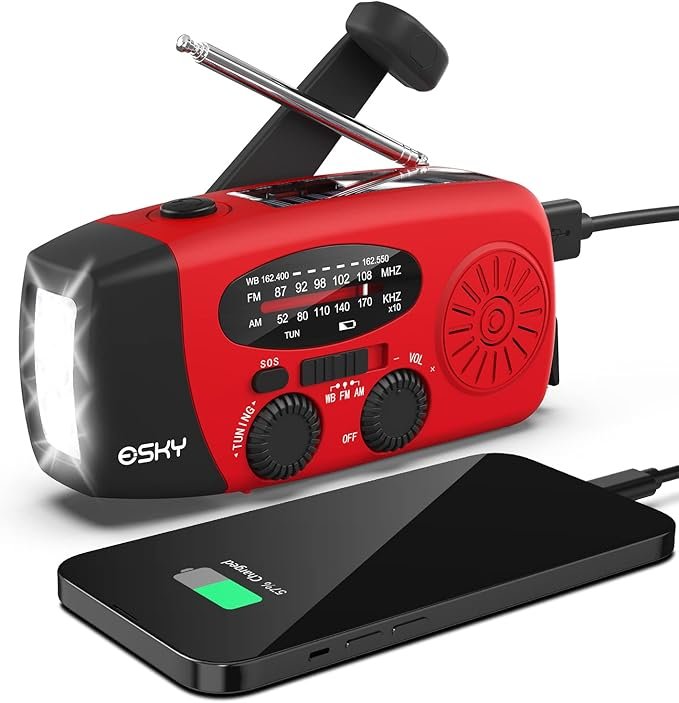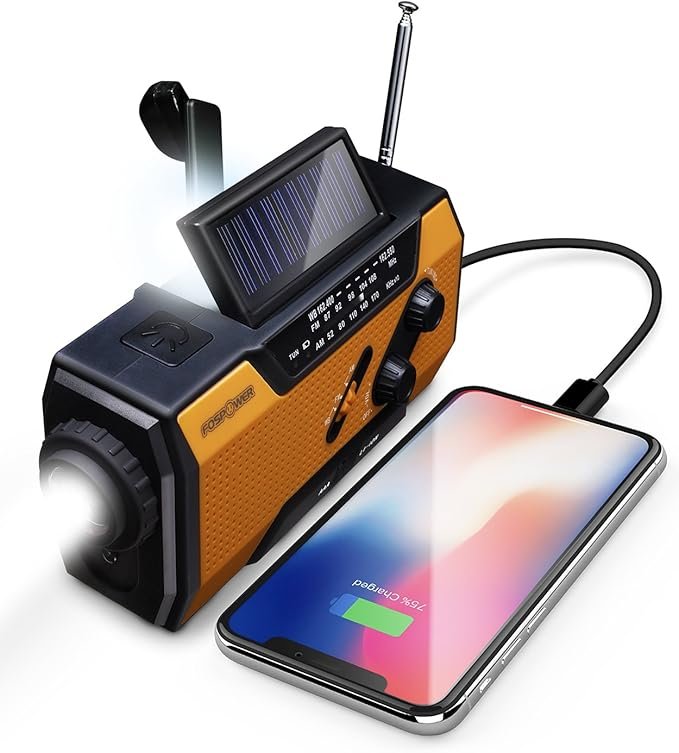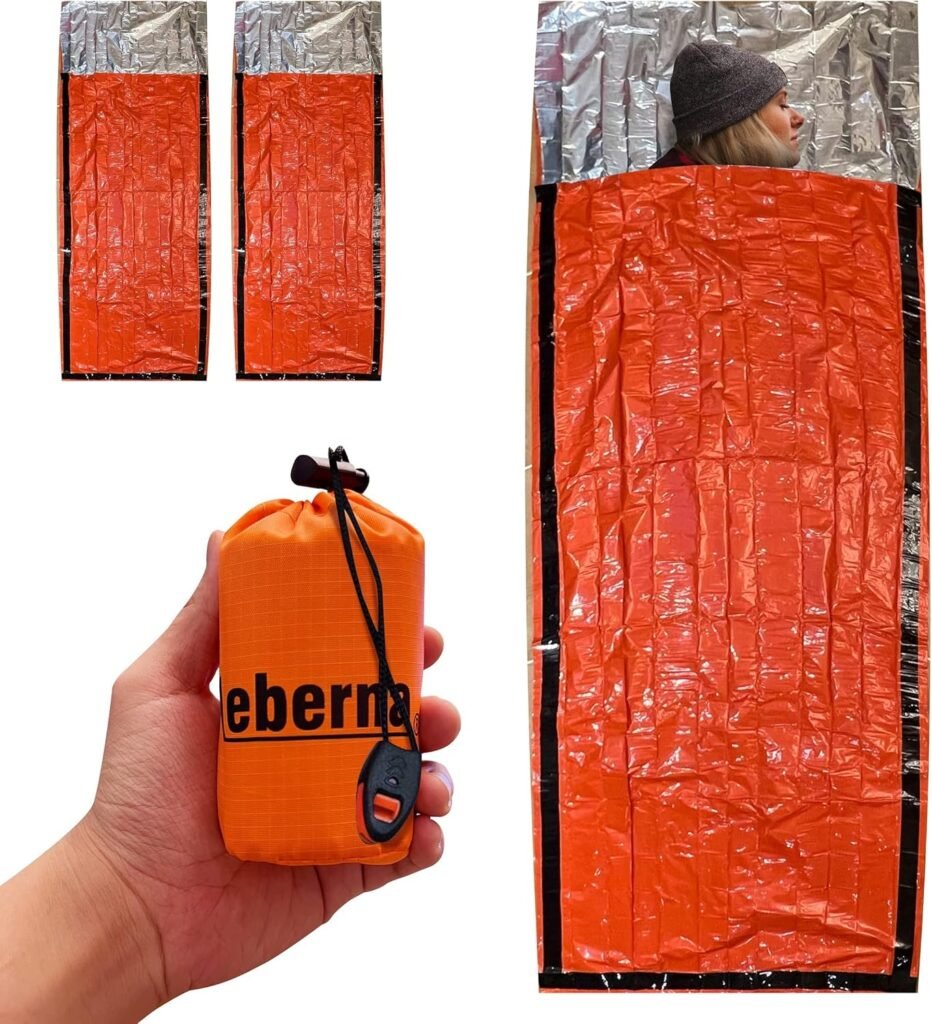
When assembling a home emergency preparedness kit, many people focus on tools such as flashlights, radios, and first-aid supplies—which are all important. However, one item that is sometimes overlooked but equally essential is a thermal sleeping bag or emergency blanket. These lightweight and compact items play a vital role in maintaining body heat and comfort during unexpected situations.
The Importance of Thermal Insulation in Emergencies
In emergency situations such as power outages, natural disasters, or unexpected overnight stays outdoors, maintaining body warmth becomes a priority. Exposure to cold temperatures can lead to hypothermia, fatigue, and reduced ability to think clearly. Emergency thermal sleeping bags are designed to help retain body heat and provide insulation against harsh weather conditions.
These bags are typically made of heat-reflective material that traps heat and keeps the user warm even in cold environments. Their design emphasizes simplicity, effectiveness, and portability—making them a smart addition to any preparedness plan.
How Emergency Sleeping Bags Work
Thermal sleeping bags use reflective materials such as Mylar to reflect body heat back toward the user. This helps reduce heat loss and maintain a stable body temperature, especially in situations where traditional blankets or bedding are unavailable.
Unlike regular sleeping bags, thermal emergency sleeping bags are extremely lightweight and compact. This makes them easy to store in emergency kits, vehicles, backpacks, or even in camping gear, without taking up significant space.
Practical Uses for Emergency Sleeping Bags
These sleeping bags are versatile and can be used in a variety of scenarios:
- During power outages: When heating systems are unavailable, retaining body heat becomes crucial, especially for children and elderly family members.
- Outdoor scenarios: While camping, hiking, or traveling, emergency sleeping bags provide added warmth without the bulk of traditional gear.
- Disaster preparedness: In situations like earthquakes, storms, or evacuations, having compact warmth aids can improve overall comfort and safety.
By thinking ahead and including a thermal sleeping bag in your emergency kit, you create a layer of preparedness that supports survival and well-being.

- Mylar, Reflective, Bivy Sack, Bivvy Sack
- Imported
- Losing body heat is a major cause of death in emergency. The Leberna Emergency Survival Mylar Thermal Sleeping Bag can i…
Choosing the Right Emergency Sleeping Bag
When selecting a thermal sleeping bag, consider factors such as:
- Material and heat retention capability: Look for products made with quality reflective materials that effectively trap heat.
- Size and portability: A good emergency sleeping bag should be lightweight and easy to pack away.
- Ease of use: In emergencies, simplicity matters. Choose designs that are easy to deploy quickly.
These features help ensure that your investment in an emergency sleeping bag pays off when you need it most.
Integrating It Into Your Emergency Kit
A complete emergency preparedness kit is more than a collection of random tools—it’s a thoughtfully assembled set of items that work together to support safety and resilience. Pairing a quality thermal sleeping bag with other essentials such as:
- Flashlights
- Batteries
- First-aid supplies
- Radios or communication devices
creates a more comprehensive setup that enhances your family’s ability to respond to unexpected events.
Final Thoughts
Emergency preparedness is about anticipating needs before they arise. While thermal sleeping bags may seem like a small addition, they deliver significant value by helping retain body heat and offering comfort in stressful situations. Including one in your emergency plan can provide peace of mind and improve your readiness for whatever challenges come your way